Summary
In this unit, students will learn and practice skills to help them evaluate a variety of information that they encounter in their lives, such as online information, social media posts, scientific investigations, and everyday situations. Students practice skills to help them determine whether information is factual and analyze the conclusions that are drawn from it. Students discuss the role of different types of cognition, such as cognitive shortcuts and biases (including confirmation bias), and consider the impact of these types of cognition on health decisions on individuals, scientific research, and society. Students will practice slow thinking techniques and an actively open mindset, which can be used to reduce the errors from fast thinking and cognitive biases when evaluating information and making decisions.
Unit Driving Question
How can people effectively evaluate information for everyday decisions, such as those for health and disease?
Slow thinking relies on careful reasoning and is useful for complex or higher-stakes situations. Slow thinking takes time and effort but is less prone to cognitive error when evaluating information and reaching conclusions. Common scientific practices are designed to support slow thinking, which makes scientific conclusions more reliable.
Teacher Edition
The teacher edition is designed to support teachers in fostering student learning over the entire unit. Information provided includes day-to-day instructional management: how to prepare the classroom, what materials are needed, sample student responses, and how to modify materials for diverse learners.
Teacher edition, Unit 5: Skills for Evaluating Thinking (3.9MB)
Student Book
Each unit requires students to interact with specific key concepts, process skills and thinking tools through various learning experiences. The student book has a deliberate structure that provides support for student learning, regardless of activity type.
Student book, Unit 5: Skills for Evaluating Thinking (23.4MB)
Activities

Types of Cognition
Activity Type: InvestigationNumber of 40-50 minutes class periods: 1-2
What are two different modes of thinking?
Download Activity (Teacher Edition)
Download Activity (Student Book)

Thinking About Thinking
Activity Type: DiscussionNumber of 40-50 minutes class periods: 1-2
How do people use fast thinking and/or slow thinking in everyday situations?
Download Activity (Teacher Edition)
Download Activity (Student Book)

Cognitive Shortcuts
Activity Type: InvestigationNumber of 40-50 minutes
class periods: 2-3
How do people avoid errors from cognitive shortcuts?
Download Activity (Teacher Edition)
Download Activity (Student Book)
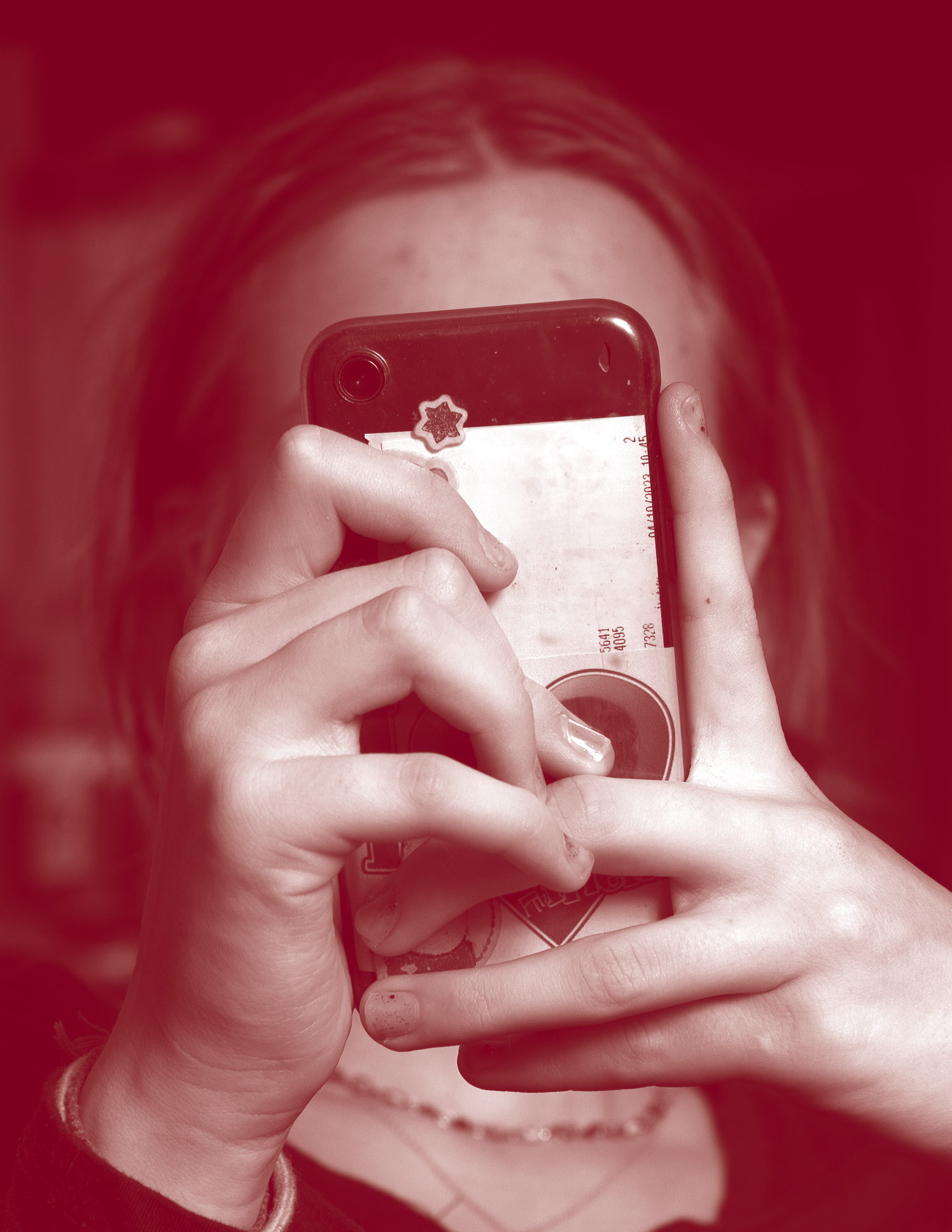
Looking at Evidence
Activity Type: Card-based InvestigationNumber of 40-50 minutes class periods: 2
How do existing beliefs affect the way people seek information?
Download Activity (Teacher Edition)
Download Activity (Student Book)

Reducing Cognitive Biases
Activity Type: InvestigationNumber of 40-50 minutes class periods: 2-3
How do cognitive biases shape everyday decisions?
Download Activity (Teacher Edition)
Download Activity (Student Book)

Evaluating a Scientific Claim
Activity Type: GameNumber of 40-50 minutes class periods: 2-3
How can an actively open mindset help to make a scientific claim?
Download Activity (Teacher Edition)
Download Activity (Student Book)

Addressing Cognitive Bias in Science
Activity Type: ReadingNumber of 40-50 minutes class periods: 1-2
How does slow thinking improve scientific conclusions?
Download Activity (Teacher Edition)
Download Activity (Student Book)

Investigating a Pathogen
Activity Type: Card-based InvestigationNumber of 40-50 minutes class periods: 1-2
How do epidemiologists use an actively open mindset?
Download Activity (Teacher Edition)
Download Activity (Student Book)
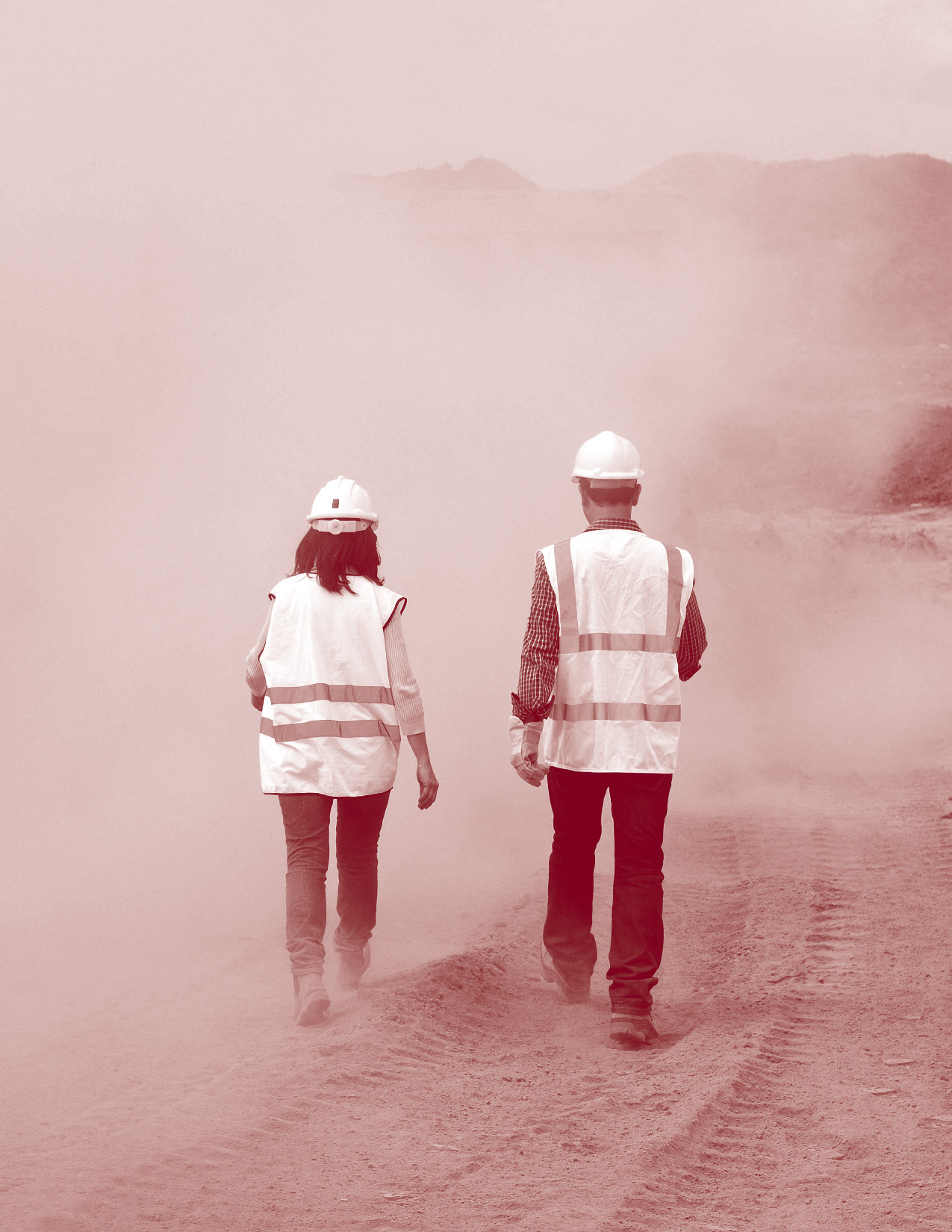
Community Health Solutions
Activity Type: Data AnalysisNumber of 40-50 minutes class periods: 2-3
How can communities evaluate science-based recommendations?
Download Activity (Teacher Edition)
Download Activity (Student Book)
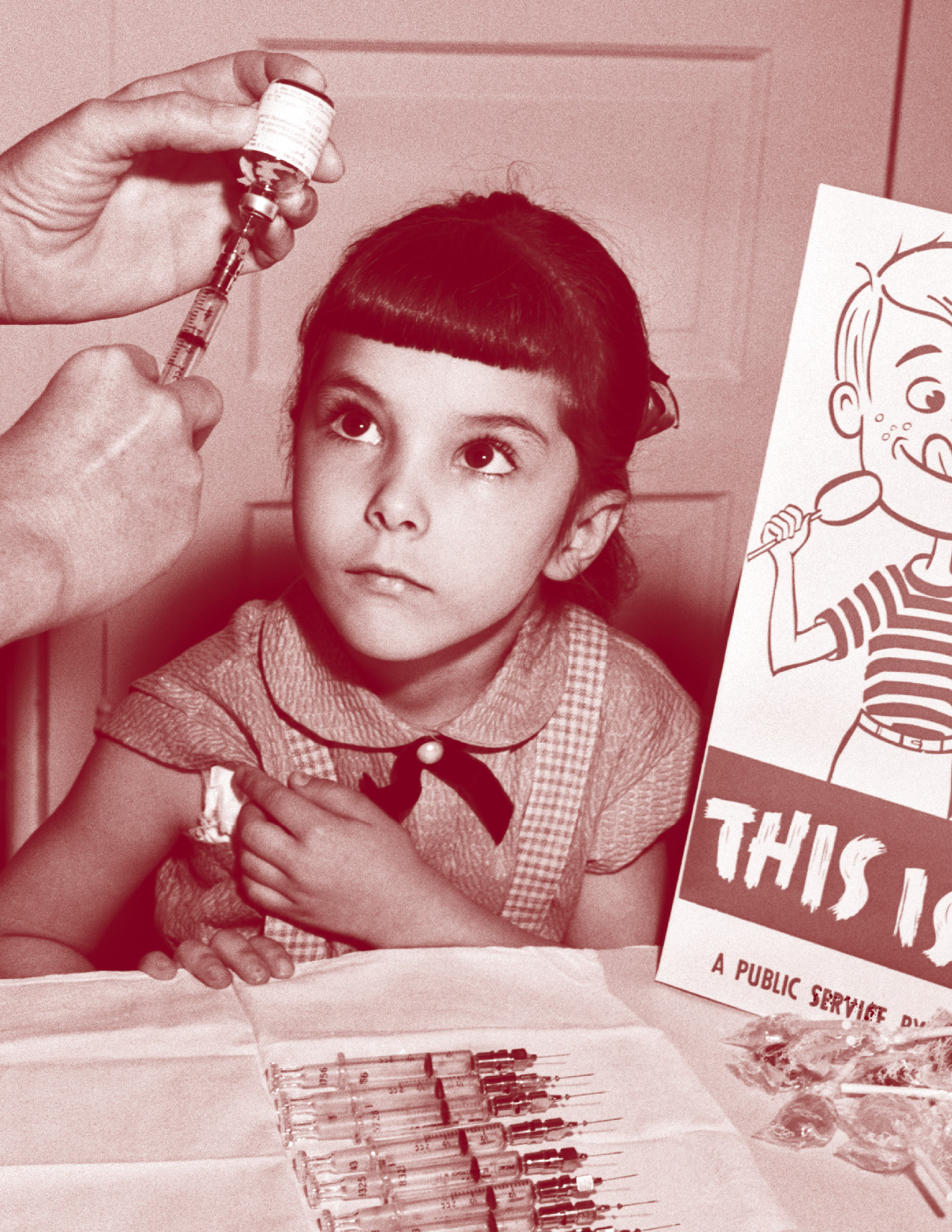
Cognitive Skills in Communication
Activity Type: Card-based InvestigationNumber of 40-50 minutes class periods: 2-3
How can you apply knowledge of cognition to communicating information?
Download Activity (Teacher Edition)
Download Activity (Student Book)


