In a world flooded with information, we continually make choices about what information to believe. Human limitations and biases can make it easy to fool ourselves. Many people in the scientific community have worked to understand and counter these limitations, developing cognitive tools and techniques to minimize bias and avoid cognitive traps. These techniques can be learned and used by anyone, but they have been missing from high school education. That is why we have worked with a team of experts to create Scientific Thinking for All: A Toolkit.
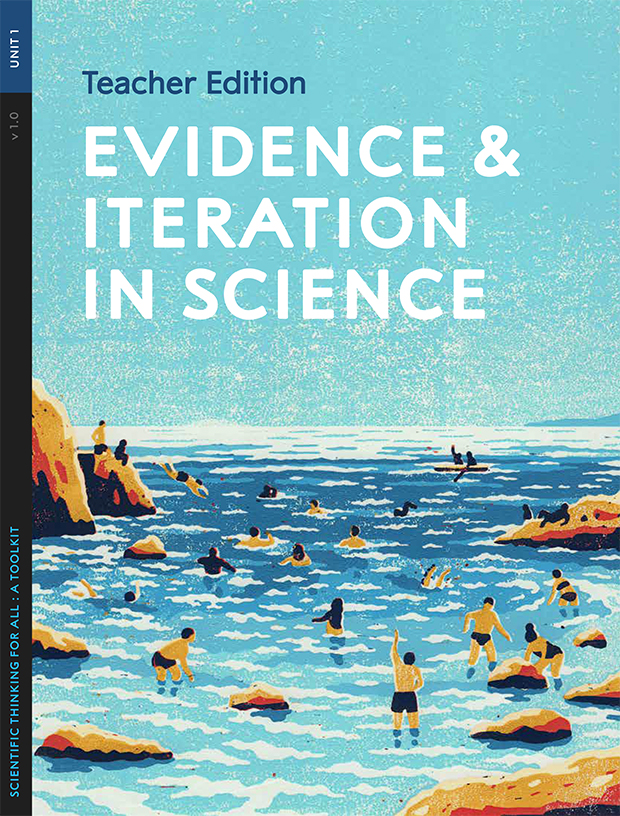
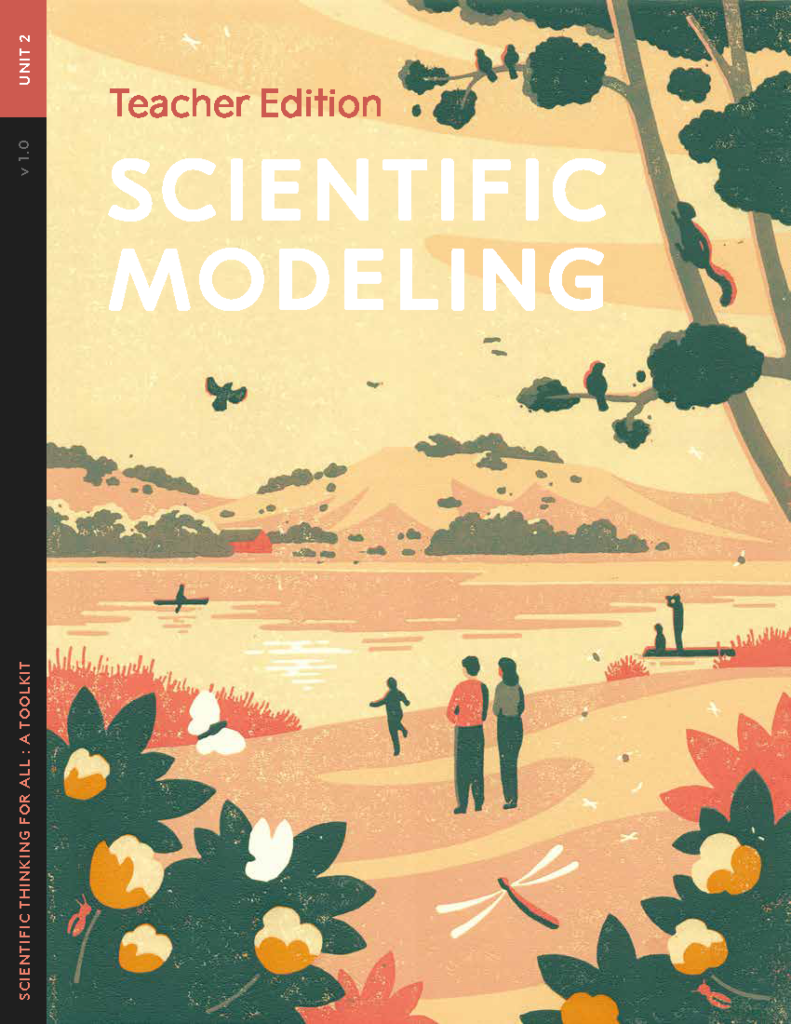
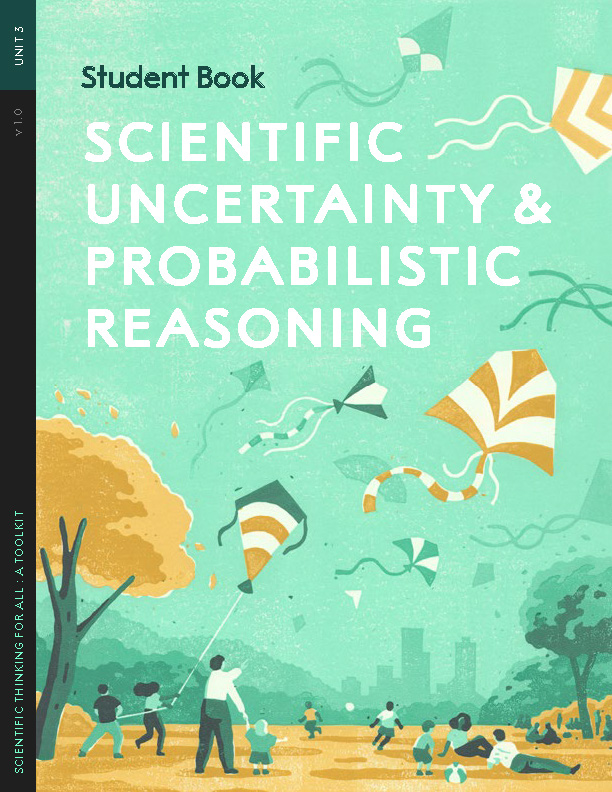
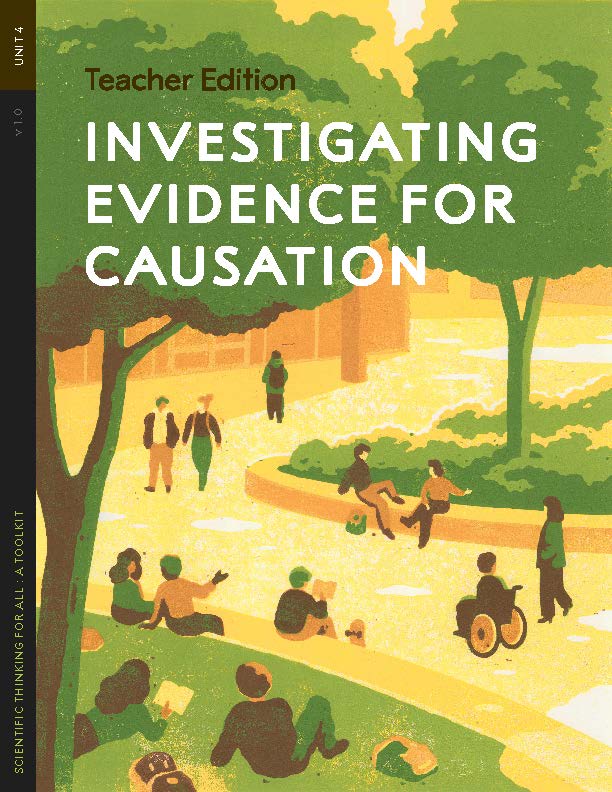
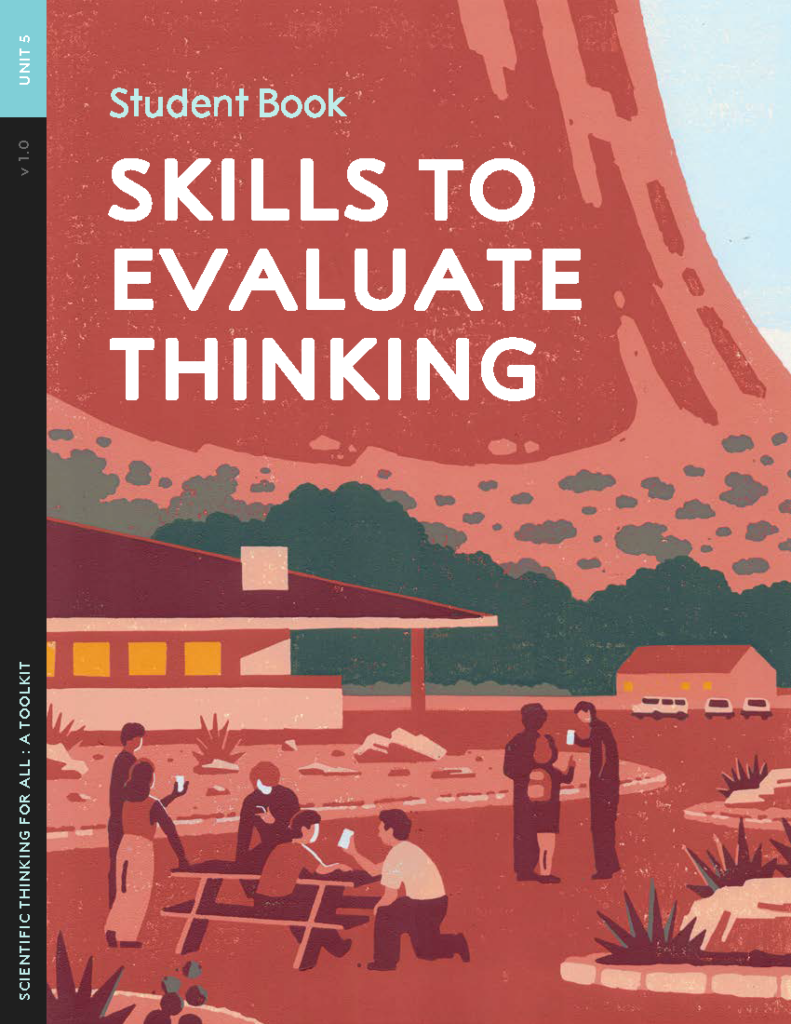
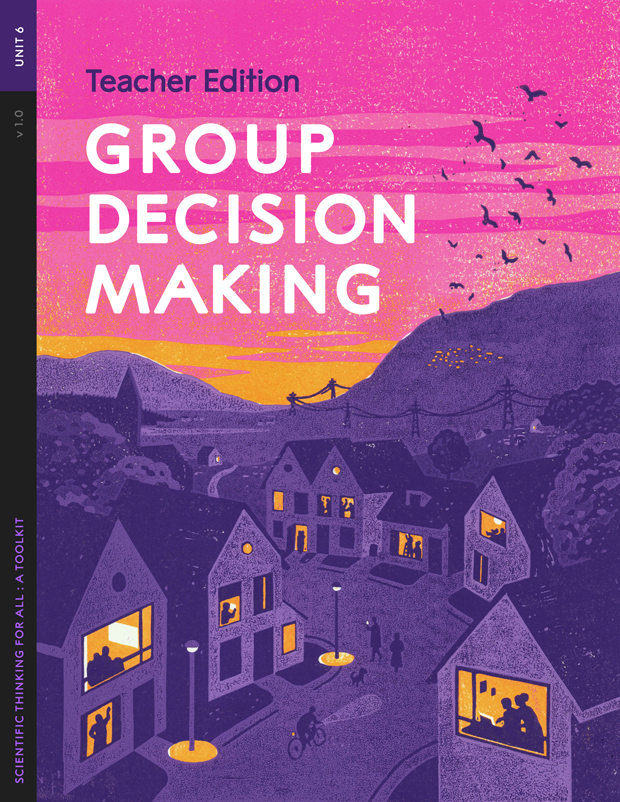
Scientific Thinking for All: A Toolkit is a six-unit curriculum for 14–18-year-old students designed to prepare high school students for the challenges and opportunities ahead with a toolkit of cognitive strategies. By learning to view the world scientifically, students will develop skills in reasoning and collaborating, equipping them to deal with the challenges of the 21st century.
Scientific Thinking Toolkit Concepts
Underpinnings
of Science


Underpinnings
of Science


Probabilistic
Reasoning


Probabilistic
Reasoning


Can-Do
Attitude


Can-Do
Attitude


Metacognition


Metacognition


Decision Making

Decision Making


Resources
High School Instructional Materials
Sense and Sensibility and Science
The College Course

Sense and Sensibility and Science is an interdisciplinary “Big Ideas” course developed at the University of California Berkeley. The course focuses on the tools developed by science to help people better understand the world around them and make better decisions together in an increasingly uncertain world. It was developed by professors Saul Perlmutter, John Campbell, and Robert MacCoun and represents a collaboration among physics, philosophy, and psychology.
Third Millennium Thinking
The Book

Based on Sense and Sensibility and Science and written by the course’s original professors, Third Millennium Thinking is a primer on how to think critically, make sound decisions, and solve problems—individually and collectively—using scientists’ tricks of the trade.
Join us!

Groups of pioneering teachers field tested the six units in their classrooms over the last 3 years to inform the development of the final units. Now the Lawrence Hall of Science team is inviting interested teachers to pilot our published units.
Take advantage of this great opportunity and sign-up for LHS’s newsletter to receive information about digital workshops, pilot opportunities and new unit releases.


